Easy Miso Soup Recipe- Authentic Japanese Flavor
Miso soup recipe is more than just a starter; it’s a warm, comforting embrace in a bowl. Have you ever found yourself craving that deeply savory, umami-rich flavor that instantly transports you to a cozy Japanese eatery? That’s the magic of authentic miso soup. It’s a fundamental part of Japanese cuisine for a reason – it’s incredibly satisfying, surprisingly simple to prepare, and endlessly customizable. What truly sets this humble soup apart is its incredible versatility and the depth of flavor derived from fermented soybeans. Whether you’re seeking a light appetizer, a nourishing addition to a larger meal, or simply a moment of pure culinary bliss, this miso soup recipe delivers. Get ready to unlock the secrets to creating your own perfect bowl, bursting with delicate dashi, hearty tofu, and vibrant seaweed.
Miso Soup Recipe
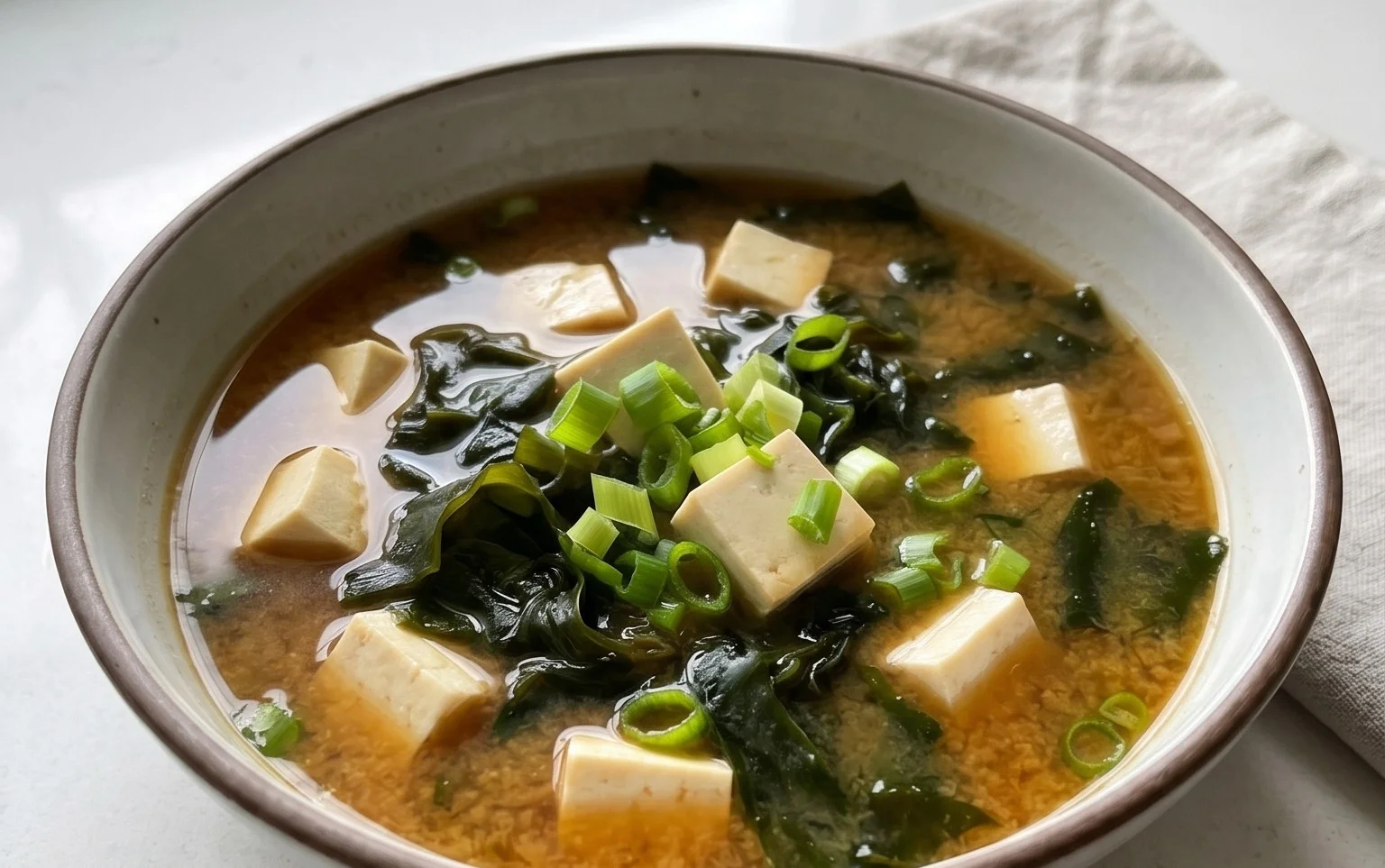
Welcome to a journey into the heart of Japanese comfort food! Miso soup, or misoshiru as it’s known in Japan, is a staple in virtually every Japanese household. It’s more than just a soup; it’s a warm embrace, a quick and nourishing meal, and a beautiful introduction to the complex umami flavors of miso. This recipe focuses on a classic, simple preparation that highlights the essential ingredients and brings a taste of authentic Japan right to your kitchen. It’s incredibly quick to make, making it perfect for a light breakfast, a satisfying appetizer, or even a simple lunch when paired with rice.
The beauty of miso soup lies in its simplicity and the profound depth of flavor it achieves with just a few key components. The star, of course, is miso paste, a fermented soybean paste that comes in various types, each offering a unique taste profile. For this recipe, we’ll stick to a versatile option, but feel free to experiment once you’re comfortable. Dashi, a fundamental Japanese stock, provides the savory base that is absolutely crucial for authentic miso soup. The other ingredients, tofu and seaweed, add delightful texture and nutritional value.
Let’s get started on creating this incredibly satisfying and soul-warming soup.
Ingredients:
Preparing Your Ingredients
Before we dive into the cooking process, it’s helpful to have everything prepped and ready to go. This is especially important for miso soup, as the cooking time is quite short and you want to add ingredients at the right moment.
First, let’s talk about the dried seaweed. The most common type used in miso soup is wakame. When dried, it’s quite brittle and takes up very little space. To rehydrate it, you’ll typically just need to soak it in water for a few minutes until it becomes soft and pliable. Once rehydrated, you might need to give it a rough chop if the pieces are too large.
Next, prepare your silken tofu. Silken tofu is wonderfully delicate and adds a melt-in-your-mouth quality to the soup. It’s best to cut it into small, bite-sized cubes. Be gentle when handling it, as it can break apart easily.
Finally, chop your scallions. These will serve as a fresh, aromatic garnish that adds a lovely pop of color and a subtle oniony bite.
The Cooking Process
Now that our ingredients are prepped, we can assemble this delicious soup. The key to perfect miso soup is to never boil the miso paste. Boiling miso can diminish its delicate flavor and beneficial probiotics, so we’ll be simmering the soup gently and dissolving the miso at the very end.
Step 1: Rehydrate the Seaweed
Place the dried seaweed in a small bowl and cover it with cool water. Let it sit for about 5-10 minutes, or until it has fully expanded and softened. The amount of water needed will depend on the type of seaweed, but usually, it’s enough to cover it completely. Once rehydrated, drain any excess water. If the seaweed pieces are quite large, you can give them a quick chop with scissors or a knife to make them more manageable to eat.
Step 2: Prepare the Dashi Base
Pour your dashi into a medium saucepan. If you’re using instant dashi granules, follow the package instructions for the correct water ratio. If you’ve made your own dashi from scratch using kombu and katsuobushi, you’ll have a wonderful depth of flavor already. Place the saucepan over medium heat and bring the dashi to a gentle simmer. You don’t want a rolling boil here, just a low, consistent simmer.
Step 3: Add the Seaweed and Tofu
Once the dashi is simmering gently, add the rehydrated seaweed to the pot. Let it simmer for about 2-3 minutes. This allows the seaweed to fully warm through and release its subtle oceanic flavor into the dashi. After the seaweed has simmered for a couple of minutes, carefully add the cubed silken tofu to the soup. Stir gently to distribute the tofu evenly. Allow the tofu to heat through, which will only take another 1-2 minutes. Again, maintain a gentle simmer throughout this process.
Step 4: Dissolve the Miso Paste
This is the crucial step for achieving authentic miso soup flavor. Ladle a small amount of the hot dashi broth from the pot into a separate bowl. Add your miso paste to this bowl. Using a whisk or a fork, gently whisk the miso paste into the hot broth until it’s completely dissolved and smooth. Make sure there are no lumps of miso paste remaining. This process, called ‘tempering’ the miso, ensures it dissolves evenly into the soup without clumping and prevents it from boiling.
Step 5: Combine and Serve
Once the miso paste is fully dissolved in the separate bowl, pour the miso mixture back into the saucepan with the rest of the soup. Stir gently to combine everything. At this point, you should not let the soup boil. Heat it through very gently for another minute or so, just until it’s hot, but not boiling. Taste the soup and adjust the amount of miso paste if you desire a stronger or milder flavor. Add a little more miso paste dissolved in a bit of broth if you want it richer. Finally, ladle the miso soup into individual serving bowls. Garnish generously with the chopped scallions. Serve immediately and enjoy the comforting warmth and exquisite taste of your homemade miso soup!
Conclusion:
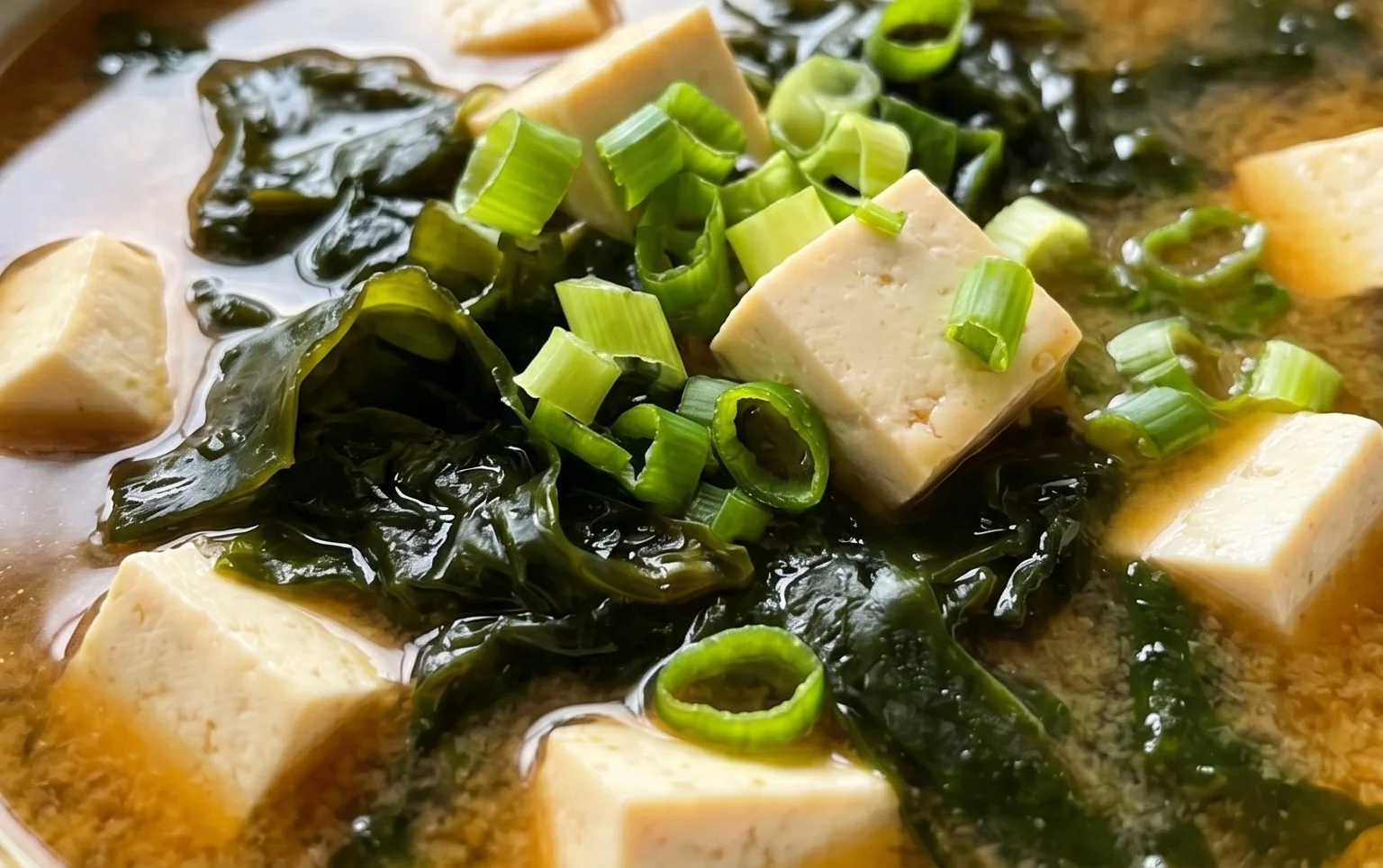
There you have it – a simple yet incredibly satisfying miso soup recipe that’s a true gem for any home cook. This recipe is fantastic because it’s incredibly versatile, quick to prepare, and delivers a depth of umami flavor that’s both comforting and invigorating. Whether you’re looking for a light starter, a nutritious side dish, or even a base for a more substantial meal, this miso soup fits the bill perfectly. I encourage you to give this delightful miso soup recipe a try; you’ll be amazed at how easily you can create such a flavorful and authentic dish in your own kitchen.
For serving suggestions, consider pairing it with steamed rice, sushi, or grilled fish. It also makes a wonderful accompaniment to a bento box. For variations, don’t hesitate to experiment! Add in silken tofu cubes for extra protein, sliced shiitake mushrooms for more earthiness, or a swirl of chili oil for a touch of heat. Even a sprinkle of toasted sesame seeds or a few drops of sesame oil at the end can elevate the flavor profile.
Frequently Asked Questions:
What kind of miso paste should I use?
You can use either white miso (shiro miso), red miso (aka miso), or a blend. White miso is milder and slightly sweeter, while red miso is more robust and salty. A combination offers a balanced flavor. Experiment to find your preference!
Can I make miso soup ahead of time?
While you can prepare the dashi base in advance, it’s best to add the miso paste and other delicate ingredients just before serving. Miso loses some of its delicate flavor and beneficial probiotics when boiled for extended periods.
Is miso soup healthy?
Absolutely! Miso soup is renowned for its health benefits. It’s rich in probiotics, which are good for gut health, and contains beneficial vitamins and minerals.
Miso Soup Recipe
A simple and comforting traditional Japanese miso soup.
Ingredients
-
2½ cups Dashi
-
1 heaping tablespoon dried seaweed
-
4 oz silken tofu, cut into small pieces
-
2-2½ tablespoons miso paste, or to taste
-
1 tablespoon scallion, chopped
-
1 teaspoon dried bonito flakes (optional, for extra umami)
-
½ teaspoon grated ginger (optional)
Instructions
-
Step 1
Rehydrate the dried seaweed by soaking it in a small bowl of water for about 5 minutes, then drain. -
Step 2
In a medium saucepan, bring the Dashi to a gentle simmer over medium heat. Do not boil. -
Step 3
Add the rehydrated seaweed and silken tofu to the simmering Dashi. Cook for 2-3 minutes until heated through. -
Step 4
In a small bowl, whisk the miso paste with a ladleful of the hot Dashi broth until smooth. This prevents clumps. -
Step 5
Stir the dissolved miso mixture back into the saucepan. Heat gently for another minute, but do not let the soup boil, as this can diminish the flavor and beneficial properties of the miso. -
Step 6
Ladle the miso soup into bowls and garnish with chopped scallions. Add optional bonito flakes or grated ginger if desired.
Important Information
Nutrition Facts (Per Serving)
It is important to consider this information as approximate and not to use it as definitive health advice.
Allergy Information
Please check ingredients for potential allergens and consult a health professional if in doubt.