Easy Chimichurri Sauce Recipe- Flavorful Herb Sauce
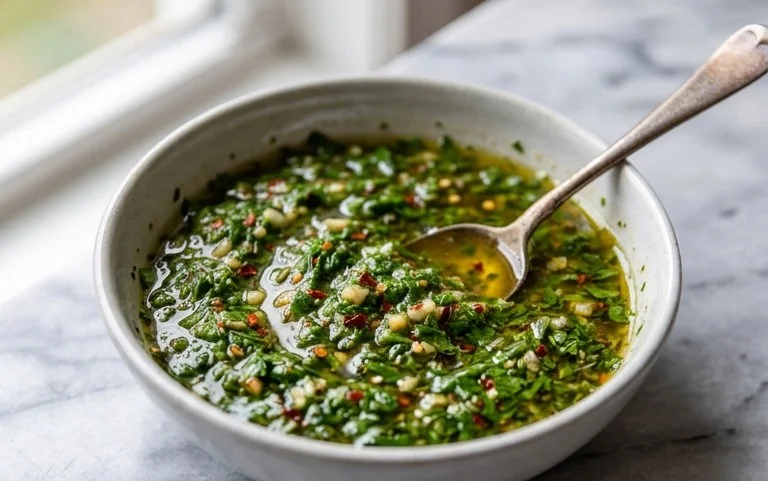
Chimichurri Sauce Recipe: Get ready to unlock a world of vibrant flavor with this incredibly versatile Argentinian classic! If you’ve ever bitten into a perfectly grilled steak and experienced that zesty, herbaceous burst that elevates every bite, chances are you’ve encountered the magic of chimichurri. This isn’t just a sauce; it’s an experience. People absolutely adore this chimichurri sauce recipe because it’s so incredibly fresh, bursting with the bright notes of parsley and cilantro, a subtle kick from garlic and chili, and a tangy undertone from red grape juice vinegar. What truly makes it special is its simplicity and its ability to transform ordinary dishes into something extraordinary. Imagin extracte drizzling it over grilled meats, fish, or even roasted vegetables – suddenly, everything tastes more exciting, more alive. I’m thrilled to share my go-to chimichurri sauce recipe with you today, a simple yet profoundly flavorful addition to your culinary repertoire.
Chimichurri Sauce Recipe
Ah, chimichurri! If you haven’t experienced the vibrant, herbaceous magic of this Argentinian sauce, you’re in for a treat. It’s a revelation for grilled meats, roasted vegetables, and even as a zesty dip for bread. Forget those store-bought versions that lack that fresh, zingy punch. Making your own chimichurri is surprisingly simple and the difference is night and day. It’s the kind of condiment that elevates the ordinary to the extraordinary, transforming a simple steak into a gourmet experience.
What I love most about chimichurri is its incredible versatility. While it’s traditionally served with grilled beef in Argentina, I find myself drizzling it over chicken, fish, beef, and a medley of roasted root vegetables. It’s also a fantastic way to brighten up a simple salad or to add a flavorful kick to sandwiches. The key to its brilliance lies in the freshness of the ingredients and the beautiful balance of herbs, garlic, acidity, and a hint of spice. Once you’ve made it from scratch, you’ll understand why it’s a staple in so many kitchens.
This recipe is my go-to, a foolproof method for achieving that perfect chimichurri texture and flavor. It’s quick enough to whip up while your grill is heating or your vegetables are roasting, making it the perfect last-minute flavor boost. So, let’s get chopping and create some culinary magic!
Ingredients:
Instructions:
Creating this vibrant sauce is a straightforward process that requires minimal culinary expertise but yields maximum flavor. The key is to ensure your herbs are fresh and that you have a good, sharp knife for chopping.
Step 1: Prepare the Herbs and Aromatics
Begin extract by gathering all your fresh herbs: Italian flat-leaf parsley, cilantro, and oregano. It’s crucial to remove the stems from the parsley and cilantro as they can add a bitter or tough texture. Gently strip the leaves from the stems and give them a quick rinse and pat them thoroughly dry with a clean kitchen towel or paper towels. Waterlogged herbs will dilute the flavor of your chimichurri. Next, finely chop the parsley, cilantro, and oregano. You want a good, finely minced consistency, but don’t aim for a paste. This rustic chop is part of what gives chimichurri its appealing texture. In a medium bowl, combine the chopped herbs. Add the roughly chopped red onion or shallots and the peeled garlic cloves.
Step 2: Mince the Garlic and Onion (or Chop Finely)
Now, let’s tackle the garlic and onion. You have a couple of options here, depending on your preference for texture. For a smoother sauce, you can finely mince the garlic cloves and the red onion or shallots. Alternatively, if you have a food processor, you can pulse these ingredients along with the herbs for a slightly more refined texture. However, I personally enjoy the slightly more rustic feel that comes from finely chopping them by hand. The goal is to break them down so their flavors can meld beautifully without being overpowering in large chunks. Add the minced garlic and onion to the bowl with the chopped herbs.
Step 3: Add the Flavor Boosters
With your herbs and aromatics prepped, it’s time to introduce the elements that will bring the heat and depth of flavor. Sprinkle in the red pepper flakes. The amount can be adjusted to your personal spice preference. If you like it mild, start with a scant 1/2 teaspoon; if you enjoy a noticeable kick, feel free to add a little more. Next, add the kosher salt. Kosher salt has a cleaner, sharper flavor than table salt and dissolves more easily, which is ideal for sauces. It also provides a satisfying textural element.
Step 4: Emulsify with Liquids
This is where the magic happens, where all those wonderful flavors come together. Pour in the extra-virgin extract olive oil. Using a good quality extra-virgin extract olive oil is essential for the rich, fruity notes that define authentic chimichurri. Follow this with the red grape juice vinegar. The vinegar provides the necessary acidity to balance the richness of the oil and the herbaceousness of the herbs. It’s the tang that cuts through fatty meats and brightens up vegetables. Finally, add the fresh lemon juice. Lemon juice adds another layer of brightness and a slightly different citrusy note that complements the vinegar beautifully.
Step 5: Combine and Let Flavors Mingle
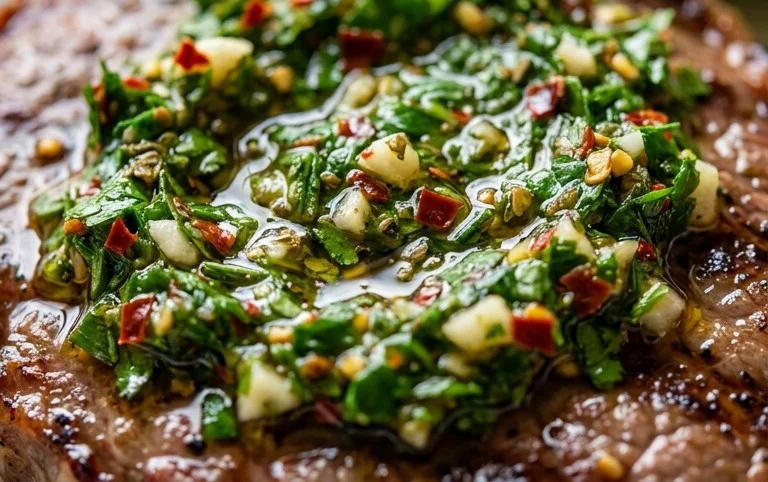
Now, it’s time to gently combine everything. Using a spoon or a whisk, stir the mixture thoroughly until everything is well incorporated and the liquids have emulsified with the herbs and aromatics. You’ll notice the color transforming into a vibrant, verdant green. At this stage, the flavors are already wonderful, but the true magic happens as the chimichurri rests. Cover the bowl and let it sit at room temperature for at least 15-30 minutes. This resting period is crucial, as it allows the flavors to meld and deepen. The garlic will mellow slightly, and the herbs will infuse the oil and vinegar with their essence. For an even more intense flavor, you can make it a few hours ahead of time and refrigerate it, but be sure to bring it back to room temperature before serving. Taste and adjust seasoning if necessary, adding a pinch more salt or a squeeze more lemon juice as needed.
Serve your homemade chimichurri generously over grilled steaks, chicken, fish, or roasted vegetables. It’s also fantastic as a dipping sauce for crusty bread or drizzled over eggs. Enjoy the explosion of fresh, vibrant flavor!
Conclusion:
I hope you’re as excited as I am about this fantastic chimichurri sauce recipe! It’s incredibly versatile, bursting with fresh, vibrant flavors, and surprisingly easy to whip up. Whether you’re a seasoned home cook or just starting your culinary journey, this chimichurri is a game-changer. Its bright, herbaceous notes elevate everything from grilled meats and roasted vegetables to sandwiches and even scrambled eggs. I truly encourage you to give it a try; you won’t be disappointed by the delicious difference it makes.
Don’t limit yourself to just grilled steak! Think about drizzling this flavorful chimichurri over pan-seared chicken, grilled fish like salmon or cod, roasted potatoes, or even as a vibrant dressing for a hearty grain bowl. The possibilities are truly endless, and its freshness is unmatched.
If you’re feeling adventurous, try adding a pinch of red pepper flakes for a little heat, or swap out some of the parsley for cilantro for a different herbaceous twist. You can even experiment with a touch of lemon zest for an extra zing.
Frequently Asked Questions about Chimichurri:
How long does chimichurri sauce last?
Properly stored in an airtight container in the refrigerator, this chimichurri sauce should stay fresh for about 5-7 days. The olive oil helps preserve it, but the fresh herbs will eventually start to lose their vibrancy.
Can I make chimichurri ahead of time?
Absolutely! In fact, chimichurri often tastes even better after the flavors have had a chance to meld for a few hours or overnight in the refrigerator. Just give it a good stir before serving.
What is the best way to chop the herbs for chimichurri?
For the best texture, I prefer to finely chop the herbs by hand. This gives you more control over the consistency and ensures you get those lovely little flecks of green throughout the sauce. A food processor can be used, but be careful not to over-process and turn it into a paste.
Chimichurri Sauce Recipe
A vibrant and herbaceous Argentinian sauce perfect for grilling.
Ingredients
-
1 cup fresh Italian flat-leaf parsley, leaves only, stems removed
-
1/4 cup fresh cilantro, leaves only, stems removed
-
1/4 cup fresh oregano, leaves only, stems removed
-
1/3 cup roughly chopped red onion
-
3 cloves garlic, peeled
-
1/2 teaspoon red pepper flakes
-
1/2 cup extra-virgin olive oil
-
1/4 cup red grape juice vinegar
-
3 tablespoons fresh lemon juice
-
1 teaspoon kosher salt
Instructions
-
Step 1
Finely chop the parsley, cilantro, and oregano. Transfer to a medium bowl. -
Step 2
Add the chopped red onion, minced garlic, and red pepper flakes to the bowl. -
Step 3
In a separate small bowl, whisk together the extra-virgin olive oil, red grape juice vinegar, and fresh lemon juice. -
Step 4
Pour the liquid mixture over the herb and onion mixture. -
Step 5
Stir in the kosher salt. Mix well to combine. -
Step 6
Let the chimichurri sauce sit for at least 10 minutes to allow the flavors to meld before serving.
Important Information
Nutrition Facts (Per Serving)
It is important to consider this information as approximate and not to use it as definitive health advice.
Allergy Information
Please check ingredients for potential allergens and consult a health professional if in doubt.