High Protein Cottage Cheese Mac and Cheese Recipe
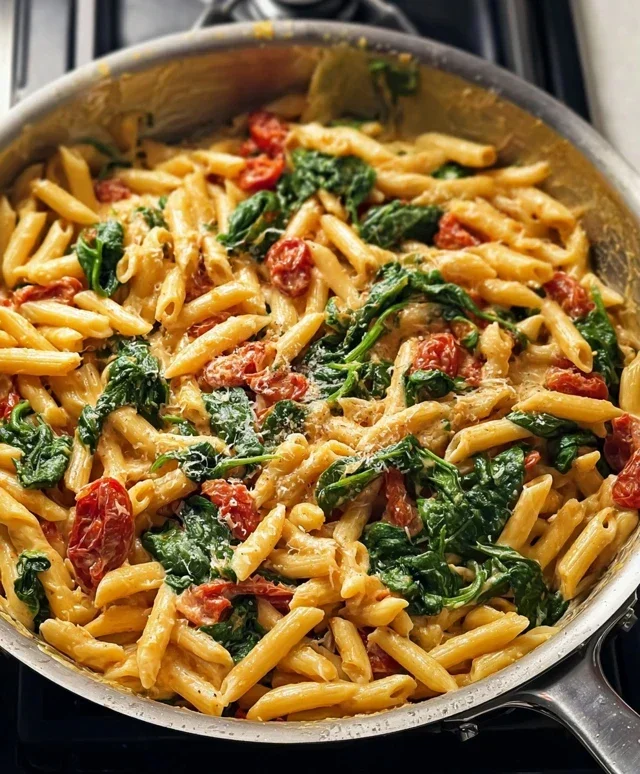
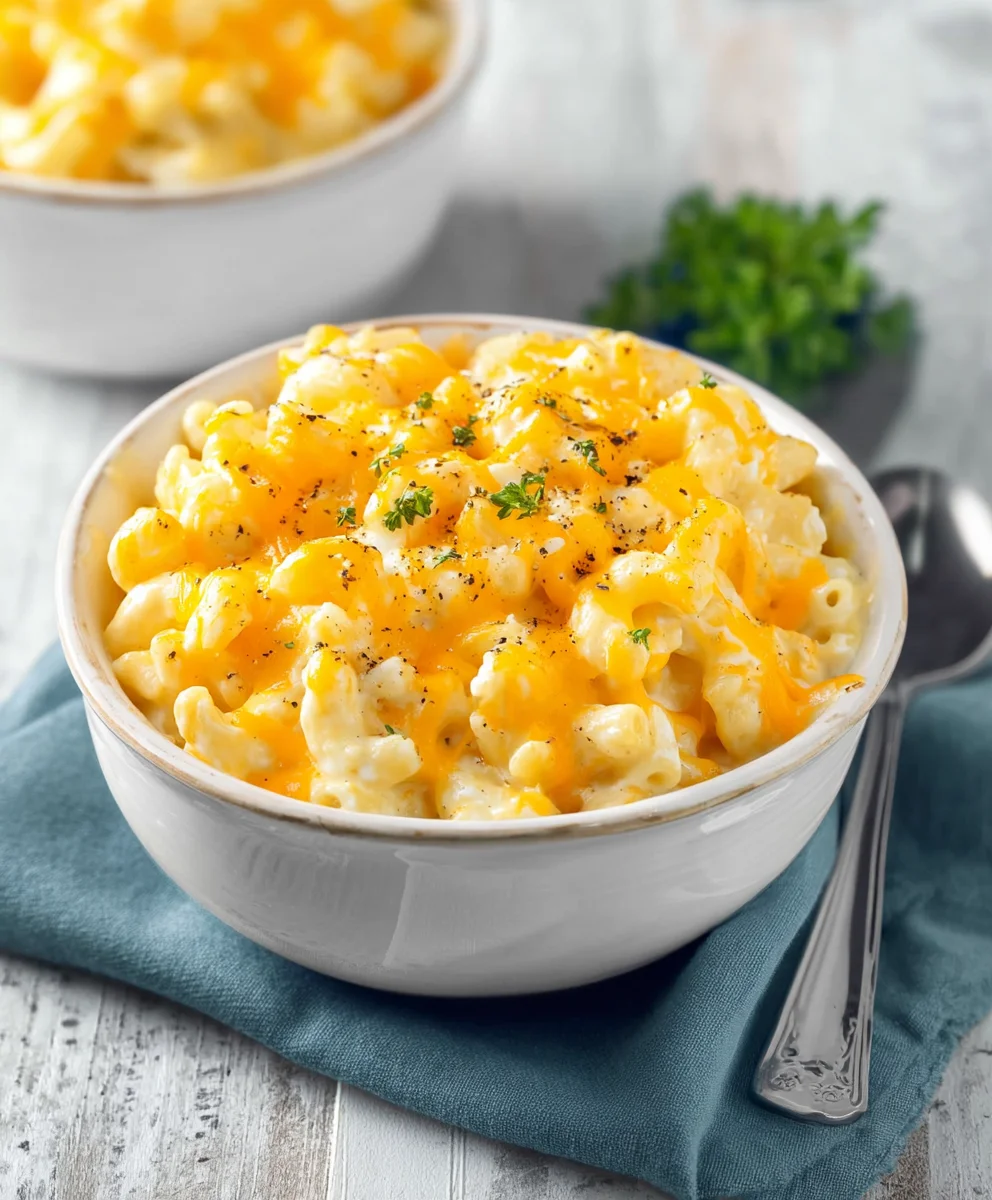
High Protein Cottage Cheese Mac and Cheese isn’t just a meal; it’s a revolution in comfort food. Forget everything you thought you knew about that creamy, cheesy bowl of goodness. We’ve taken a classic, beloved dish and given it a powerful nutritional upgrade, making it a go-to for anyone looking to boost their protein intake without sacrificing that soul-satisfying, decadent flavor. Why do we adore mac and cheese so much? It’s the ultimate hug in a bowl, a nostalgic taste of childhood, and a universally comforting experience. But let’s be honest, sometimes it leaves you feeling a little… heavy. That’s where our High Protein Cottage Cheese Mac and Cheese shines. By cleverly incorporating cottage cheese, we unlock a hidden creamy texture and a substantial protein punch that will keep you feeling fuller for longer and support your fitness goals. This isn’t your average weeknight dinner; it’s a smarter, more satisfying way to indulge your cravings, proving that healthy eating can be incredibly delicious and remarkably easy.
What Makes This Dish So Special?
The secret lies in the magical transformation of cottage cheese. When blended, it becomes incredibly smooth and emulsifies beautifully with the other cheese, creating a sauce that is just as lusciously creamy, if not more so, than traditional mac and cheese. This ingenious swap dramatically increases the protein content, turning a simple pasta dish into a satisfying main course that fuels your body. Plus, the subtle tang of the cottage cheese adds an unexpected depth of flavor that complements the rich cheddar perfectly. It’s a win-win for your taste buds and your well-being.
Ingredients:
- 2 cups Dry Chickpea Pasta (This pasta offers a fantastic boost of both fiber and protein, making it a superior choice over traditional pasta for this high-protein dish.)
- 1 2/3 cup Cottage Cheese (I prefer the 4% fat variety for a good balance of creaminess and protein, but feel free to use your preferred type.)
- 1/2 cup Skim Milk (Or your milk of choice. Skim milk generally packs more protein than most plant-based alternatives, contributing to the overall protein content of the mac and cheese.)
- 1 Tsp Onion Powder
- 2 tsp Garlic Powder
- 1/2 tsp Salt (Adjust to your taste, but remember the cheeses will also add saltiness.)
- 1/2 tsp Black Pepper
- ½ cup Shredded Mozzarella Cheese (This contributes to the classic cheesy stretch and melt.)
- 2/3 Cup Shredded Cheddar Cheese (A good sharp cheddar will provide excellent flavor depth to the sauce.)
- 1 tbsp Nutritional Yeast (Optional, but highly recommended for an extra layer of cheesy, umami flavor without adding extra fat or calories.)
Preparing the Pasta Base
Step 1: Cook the Chickpea Pasta
To begin extract our High Protein Cottage Cheese Mac and Cheese, the first step is to get our pasta cooked. Bring a large pot of generously salted water to a rolling boil. Once the water is boiling, carefully add the 2 cups of dry chickpea pasta. Stir the pasta occasionally as it cooks to prevent it from sticking together. Follow the package instructions for the al dente cooking time, as chickpea pasta can sometimes cook slightly differently than wheat-based pasta. We want it to be tender but still have a slight bite. Once cooked to your liking, drain the pasta thoroughly in a colander. It’s a good idea to rinse the pasta briefly with cool water. This stops the cooking process immediately and further prevents sticking, which is particularly helpful when you’re not immediately tossing it with sauce. Set the drained pasta aside while we prepare our incredibly creamy and protein-packed cheese sauce.
Crafting the Creamy Cheese Sauce
Step 2: Blend the Cottage Cheese Base
Now for the magic that makes this mac and cheese so special – the ultra-creamy, high-protein sauce. In a blender or food processor, combine the 1 2/3 cups of cottage cheese and the 1/2 cup of skim milk. Add the 1 teaspoon of onion powder, 2 teaspoons of garlic powder, 1/2 teaspoon of salt, and 1/2 teaspoon of black pepper. If you are using the optional 1 tablespoon of nutritional yeast for that extra cheesy kick, add it in now. Blend these ingredients on high speed until the mixture is completely smooth and luxurious. You are aiming for a velvety texture, with no discernible lumps of cottage cheese. This is the foundation of our sauce, and a smooth blend ensures a perfectly creamy mac and cheese experience. Don’t rush this step; a well-blended base is key to a silky sauce.
Combining and Melting
Step 3: Heat the Sauce
Pour the smooth cottage cheese mixture from the blender into a large, oven-safe skillet or saucepan over medium-low heat. We are going to gently warm this sauce. Stir it continuously as it heats. The goal here is to warm it through without boiling it, as boiling can sometimes affect the texture of cottage cheese. You’ll notice it will start to thicken slightly as it warms. This gradual heating ensures a consistent and smooth sauce. Keep stirring gently, making sure not to scorch the bottom of the pan. The warmth will help it meld beautifully with the cheeses in the next step.
Step 4: Incorporate the Cheeses
Once the cottage cheese base is warm and slightly thickened, it’s time to add our melty cheeses. Reduce the heat to low. Add the 1/2 cup of shredded mozzarella cheese and the 2/3 cup of shredded cheddar cheese to the skillet with the warmed cottage cheese mixture. Stir constantly and gently. The residual heat from the sauce and the low burner will work together to melt the cheeses. Continue stirring until the cheeses are fully melted and integrated into the sauce, creating a thick, gooey, and incredibly satisfying cheese sauce. This process should be slow and steady to ensure the cheeses melt smoothly without becoming oily. If the sauce seems a bit too thick at this point, you can add another splash of skim milk, about a tablespoon at a time, until you reach your desired consistency.
Step 5: Combine Pasta and Sauce, then Bake
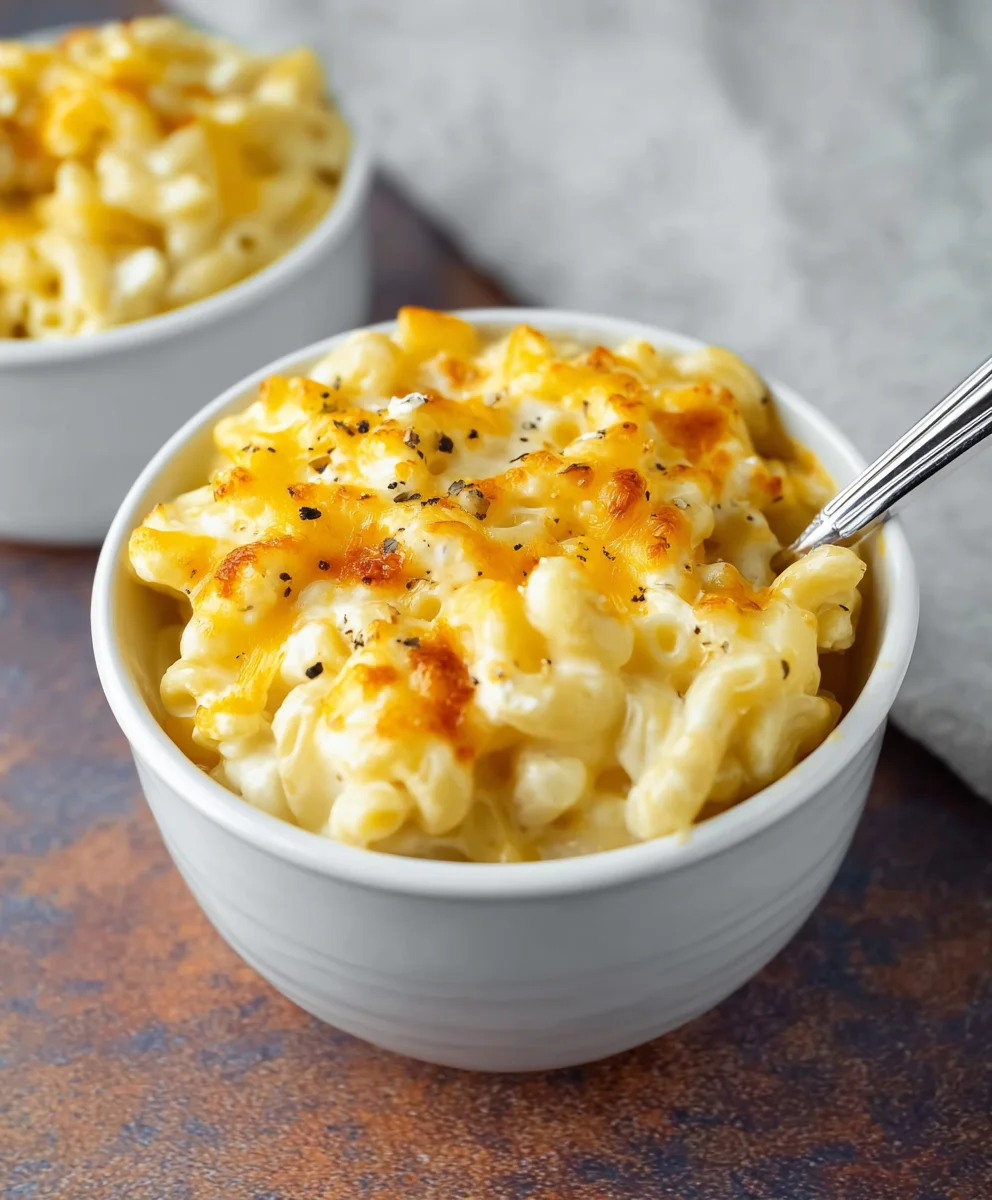
Add the drained chickpea pasta directly into the skillet with the luscious cheese sauce. Gently toss the pasta to ensure every single piece is coated evenly with the creamy, cheesy goodness. Once the pasta is thoroughly mixed and coated, preheat your oven to 375°F (190°C). Transfer the skillet to the preheated oven. Bake for 15-20 minutes, or until the mac and cheese is bubbling around the edges and the top is lightly golden brown. This baking step allows the flavors to meld beautifully and creates a slightly crisped topping, adding another dimension of texture to our High Protein Cottage Cheese Mac and Cheese. Be sure to keep an eye on it to prevent over-browning.
Conclusion:
And there you have it – your guide to creating the ultimate High Protein Cottage Cheese Mac and Cheese! We’ve walked through each step to ensure you achieve a creamy, cheesy, and satisfying dish that’s also packed with protein. This recipe is incredibly versatile and a fantastic way to enjoy a comfort food classic with a healthier twist. Don’t be afraid to experiment and make it your own!
For serving, this High Protein Cottage Cheese Mac and Cheese is brilliant on its own, but it also pairs wonderfully with a crisp green salad, steamed broccoli, or even some grilled chicken for an extra protein boost. Consider stirring in some cooked spinach, peas, or diced beef ham for added flavor and nutrients. You can also adjust the cheese blend to your preference – Gruyère or a sharp cheddar would be delicious additions.
I truly encourage you to try this recipe. It’s a testament to how simple, wholesome ingredients can create something truly special and delicious. Enjoy every cheesy bite!
Frequently Asked Questions:
Can I make this High Protein Cottage Cheese Mac and Cheese ahead of time?
Yes, you absolutely can! This High Protein Cottage Cheese Mac and Cheese reheats beautifully. Allow it to cool completely, then store it in an airtight container in the refrigerator for up to 3-4 days. When reheating, you might want to add a splash of milk or cream to restore some of its creamy texture. It’s perfect for meal prep!
Is cottage cheese really a good substitute for traditional cheese sauce in mac and cheese?
Absolutely! The cottage cheese, when blended, creates an incredibly smooth and creamy base for the sauce. Its mild flavor allows the cheese to shine through, while its protein content gives the dish a significant nutritional advantage. The results are surprisingly similar to a traditional cheese sauce, with the added benefit of being a lighter option that keeps you feeling fuller for longer.
High Protein Cottage Cheese Mac and Cheese
A delicious and creamy mac and cheese recipe made with cottage cheese for a protein boost, using chickpea pasta for added fiber and protein.
Ingredients
-
2 cups Dry Chickpea Pasta
-
1 2/3 cups Cottage Cheese
-
1/2 cup Skim Milk
-
1 Tsp Onion Powder
-
2 tsp Garlic Powder
-
1/2 tsp Salt
-
1/2 tsp Black Pepper
-
1/2 cup Shredded Mozzarella Cheese
-
2/3 Cup Shredded Cheddar Cheese
-
1 tbsp Nutritional Yeast (Optional)
Instructions
-
Step 1
Cook the chickpea pasta according to package directions in salted boiling water until al dente. Drain and rinse briefly with cool water to stop cooking and prevent sticking. Set aside. -
Step 2
In a blender or food processor, combine cottage cheese, skim milk, onion powder, garlic powder, salt, black pepper, and nutritional yeast (if using). Blend until completely smooth and velvety. -
Step 3
Pour the blended cottage cheese mixture into a large skillet or saucepan over medium-low heat. Warm gently, stirring continuously, until slightly thickened. Do not boil. -
Step 4
Reduce heat to low. Add the shredded mozzarella and cheddar cheeses to the warmed cottage cheese mixture. Stir constantly until the cheeses are fully melted and incorporated, creating a smooth, gooey sauce. Add a splash more milk if too thick. -
Step 5
Add the drained chickpea pasta to the skillet with the cheese sauce. Gently toss to ensure all pasta is evenly coated. -
Step 6
Preheat oven to 375°F (190°C). Transfer the skillet to the preheated oven and bake for 15-20 minutes, or until bubbling and lightly golden brown on top.
Important Information
Nutrition Facts (Per Serving)
It is important to consider this information as approximate and not to use it as definitive health advice.
Allergy Information
Please check ingredients for potential allergens and consult a health professional if in doubt.