Lemon Blueberry Sourdough Bread – Easy Baking
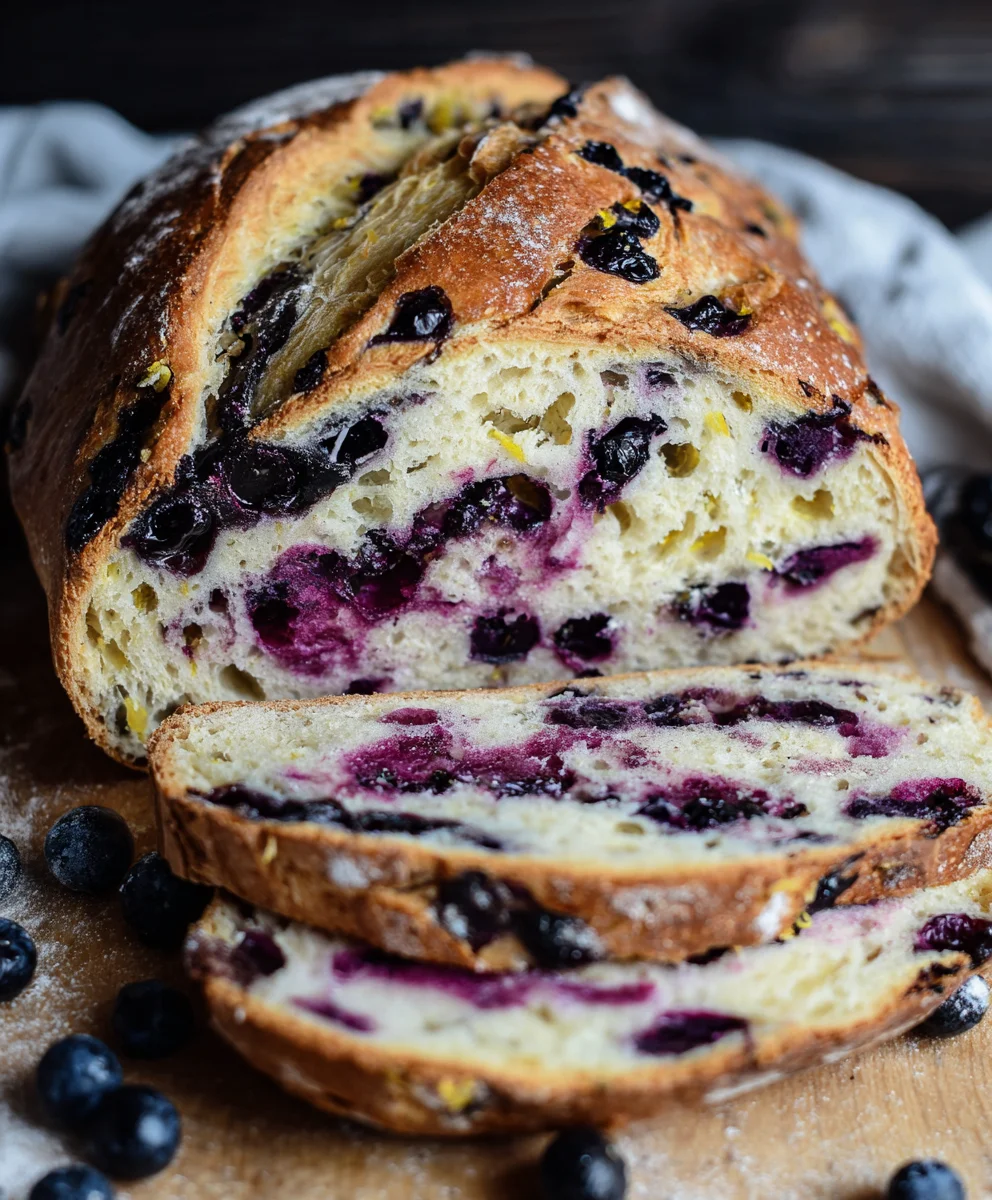
Lemon Blueberry Sourdough Bread Recipe – there’s a magical symphony of flavors and textures that unfolds with every slice of this delightful creation. Imagin extracte the tangy, slightly sour notes of a perfectly fermented sourdough, uplifted by the bright zest and sweet burst of fresh blueberries, all underscored by the subtle, refreshing aroma of lemon. This isn’t just bread; it’s an experience. People adore this particular loaf because it strikes that elusive balance between wholesome goodness and pure indulgence. The natural leavening of the sourdough starter lends a unique chegrape juicess and a complex flavor profile that simply can’t be replicated with commercial yeast. What truly makes this Lemon Blueberry Sourdough Bread Recipe stand out is the ingenious way the tartness of the lemon cuts through the richness of the sourdough, while the plump blueberries create pockets of sweet, juicy delight within the beautifully airy crum extractb. It’s the perfect companion to your morning coffee, a delightful afternoon treat, or even an impressive dessert served with a dollop of cream.
Ingredients:
- 50g active sourdough starter
- 350g water
- 500g bread flour
- 11g salt
- 150g fresh blueberries
- zest of one lemon
- 8 Tablespoons butter, room temperature (113g)
- 1/2 cup fresh blueberries, mashed (75g)
- 2 Tablespoons honey (45g)
- a pinch of salt
Preparing the Dough
Autolyse (Resting the Flour and Water)
- In a large mixing bowl, combine the 350g of water with the 50g of active sourdough starter. Whisk gently until the starter is mostly dissolved into the water. This step ensures the starter is well-distributed for even fermentation.
- Add the 500g of bread flour to the bowl. Using your hands or a sturdy spoon, mix everything until no dry flour remains. It will look shaggy and unappealing at this stage, and that’s perfectly normal. Don’t overmix; you just want to ensure all the flour is hydrated.
- Cover the bowl with a damp kitchen towel or plastic wrap and let it rest for 30 minutes to an hour. This resting period, known as autolyse, allows the flour to fully absorb the water, initiating gluten development without any kneading. This makes the subsequent dough handling much easier and contributes to a better crum extractb structure.
Developing the Dough
Adding Salt and Initial Kneading
- After the autolyse period, sprinkle the 11g of salt over the surface of the dough. This is also a good time to add the zest of one lemon. The lemon zest will infuse a bright, citrusy aroma and flavor throughout the bread.
- Now, it’s time to incorporate the salt and lemon zest. Wet your hands slightly to prevent sticking and begin extract a series of “stretch and folds.” Grab a portion of the dough from one side, stretch it upwards, and fold it over to the opposite side. Rotate the bowl a quarter turn and repeat this process. Do this for about 5 minutes. The dough will start to feel slightly more cohesive and less sticky.
- Cover the bowl again and let the dough rest for another 30 minutes. This rest period allows the gluten to relax after the initial manipulation, preparing it for more intensive stretching and folding.
- Repeat the stretch and fold process two more times, with 30-minute rests in between each set. After the third set of stretch and folds, the dough should feel noticeably smoother, more elastic, and hold its shape better. You should be able to gently stretch a thin piece of dough thinly enough to see light through it without it tearing (this is called the windowpane test). This indicates that adequate gluten development has occurred.
Incorporating the Blueberries and Final Fermentation
Folding in the Berries and Bulk Fermentation
- Gently introduce the 150g of fresh blueberries into the dough. Be delicate here; we don’t want to crush them all. Using your hands, perform a few more gentle stretch and folds to distribute the blueberries as evenly as possible throughout the dough. Some sticking might occur, which is fine. The goal is to embed them within the dough structure.
- Once the blueberries are incorporated, cover the bowl and let the dough undergo its bulk fermentation. This is the main rising period. Depending on your room temperature, this can take anywhere from 4 to 8 hours. During this time, you’ll want to perform one or two more sets of gentle stretch and folds, spaced about 1 to 2 hours apart, to continue building strength and ensuring even fermentation. You’ll know it’s ready when the dough has increased in volume by about 50-75% and looks airy and bubbly.
Shaping and Baking
Pre-Shaping, Final Shaping, and Baking
- Turn the dough out onto a lightly floured surface. Gently shape it into a rough round or oblong shape, depending on how you intend to bake it (e.g., in a Dutch oven or on a baking sheet). Let it rest, covered, for about 20-30 minutes. This pre-shaping allows the gluten to relax before the final shaping.
- Perform the final shaping. Gently but firmly shape the dough into its final form, creating surface tension by tucking the edges underneath. Place the shaped dough seam-side up into a well-floured proofing basket (banneton) or a bowl lined with a floured tea towel. Cover it and let it proof in the refrigerator for 12-24 hours. This cold proofing develops flavor and makes the dough easier to score.
- Preheat your oven to 475°F (245°C) with a Dutch oven inside (if using) for at least 30 minutes. Carefully turn the cold dough out of the proofing basket onto parchment paper. Score the top of the dough with a sharp knife or lame.
- Carefully place the dough into the preheated Dutch oven (lid on) or onto a baking sheet. Bake for 20 minutes with the lid on. Then, remove the lid and reduce the oven temperature to 450°F (230°C). Continue to bake for another 20-25 minutes, or until the crust is a deep golden brown and the internal temperature reaches around 200-210°F (93-99°C).
Preparing the Blueberry Butter Spread
Mixing the Butter, Honey, and Berries
- While the bread is baking or cooling, prepare the delicious blueberry butter spread. In a medium bowl, combine the 8 tablespoons of room-temperature butter with the 1/2 cup of mashed blueberries. Ensure the butter is soft enough to mix easily.
- Add the 2 tablespoons of honey to the butter and mashed blueberry mixture. The honey will add a touch of sweetness and help bind everything together.
- Finally, add a pinch of salt to the mixture. This small amount of salt will help to balance the sweetness and enhance the overall flavor of the spread.
- Mix all the ingredients together thoroughly until well combined and the spread has a lovely uniform pinkish-blue hue. You can use a fork or a whisk for this. Once mixed, you can transfer the spread to a small serving dish or a small container. It’s best served at room temperature.
Conclusion:
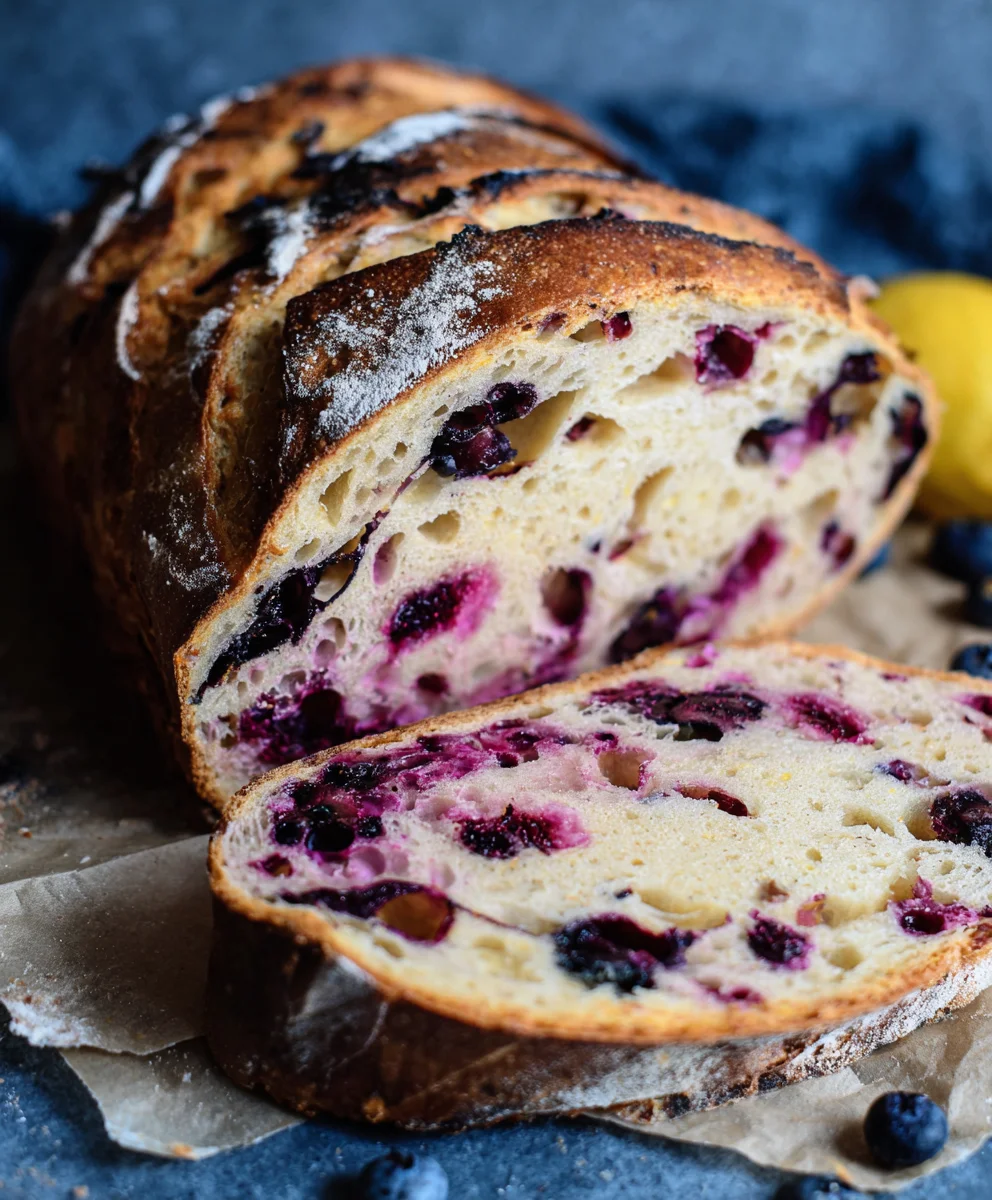
There you have it – the most delightful Lemon Blueberry Sourdough Bread Recipe you’ll ever bake! This recipe combines the tangy goodness of sourdough with the bright zest of lemon and bursts of sweet blueberries, creating a loaf that’s both comforting and sophisticated. The process might take a little patience, but the aroma filling your kitchen and the incredible texture and flavor of the finished product are absolutely worth it. This bread is perfect for any occasion, from a special breakfast treat to an afternoon snack. I encourage you to try this recipe and experience the magic of homemade sourdough!
For serving, this Lemon Blueberry Sourdough Bread Recipe shines when served warm, perhaps with a generous spread of butter or a drizzle of honey. It’s also fantastic toasted and topped with cream cheese or a dollop of Greek yogurt and a sprinkle of fresh berries. If you’re feeling adventurous, consider a light lemon glaze for an extra touch of sweetness and visual appeal. As for variations, you can swap the blueberries for other berries like raspberries or blackberries, or add a touch of lavender for a more floral note. Enjoy every delicious slice!
FAQs
Can I make Lemon Blueberry Sourdough Bread Recipe without a sourdough starter?
This specific recipe relies on a sourdough starter for its characteristic tang and texture. While you could adapt it to use commercial yeast, it would result in a different type of bread, lacking the complex flavor profile that sourdough provides. For the best results with this Lemon Blueberry Sourdough Bread Recipe, a mature and active sourdough starter is essential.
How should I store my Lemon Blueberry Sourdough Bread Recipe loaf?
Once completely cooled, store your Lemon Blueberry Sourdough Bread Recipe loaf in an airtight container or bread bag at room temperature for up to 3-4 days. For longer storage, you can slice the bread and freeze the slices in a freezer-safe bag, enjoying them for up to 3 months. Simply toast the frozen slices when you’re ready to eat.
Lemon Blueberry Sourdough Bread – Easy Baking
An easy recipe for delicious homemade lemon blueberry sourdough bread, perfect for any baker. Includes a simple blueberry butter spread recipe.
Ingredients
-
50g active sourdough starter
-
350g water
-
500g bread flour
-
11g salt
-
150g fresh blueberries
-
zest of one lemon
-
8 Tablespoons butter, room temperature (113g)
-
1/2 cup fresh blueberries, mashed (75g)
-
2 Tablespoons honey (45g)
-
a pinch of salt
Instructions
-
Step 1
Combine water and sourdough starter. Add bread flour and mix until no dry flour remains. Cover and let rest for 30-60 minutes (autolyse). -
Step 2
Sprinkle salt and lemon zest over the dough. Perform stretch and folds for 5 minutes. Cover and rest for 30 minutes. Repeat stretch and folds two more times with 30-minute rests between. -
Step 3
Gently fold in 150g fresh blueberries. Cover and let dough bulk ferment for 4-8 hours, performing 1-2 more sets of stretch and folds 1-2 hours apart. -
Step 4
Turn dough onto a floured surface, pre-shape into a rough round or oblong, and let rest covered for 20-30 minutes. Perform final shaping, place seam-side up into a floured proofing basket, cover, and refrigerate for 12-24 hours. -
Step 5
Preheat oven to 475°F (245°C) with a Dutch oven inside for 30 minutes. Turn cold dough onto parchment paper, score, and place into the Dutch oven. Bake covered for 20 minutes. -
Step 6
Remove Dutch oven lid, reduce oven temperature to 450°F (230°C), and bake for another 20-25 minutes until golden brown and internal temperature reaches 200-210°F (93-99°C). -
Step 7
While bread bakes/cools, prepare blueberry butter spread: mix room-temperature butter with mashed blueberries, honey, and a pinch of salt until well combined.
Important Information
Nutrition Facts (Per Serving)
It is important to consider this information as approximate and not to use it as definitive health advice.
Allergy Information
Please check ingredients for potential allergens and consult a health professional if in doubt.