Mix and Match Pesto Recipe- Endless Flavor Combos
The magic of a mix and match pesto recipe lies in its sheer adaptability. Gone are the days of being tied to one specific herb combination! This isn’t just another sauce; it’s your culinary playground, a canvas ready for your unique flavor inspirations. We all love pesto for its vibrant, fresh taste, that burst of herbaceous goodness that can transform even the simplest meal into something extraordinary. But what truly makes a mix and match pesto recipe so special is the freedom it grants you. Imagin extracte ditching the standard basil and pine nuts for a day and experimenting with peppery arugula, sweet sun-dried tomatoes, or the nutty crunch of toasted walnuts. This approach allows you to cater to your mood, your pantry, and the very season itself. It’s about empowering you to create a pesto that’s perfectly yours, every single time.
Why You’ll Adore This Approach
Unlock Endless Flavor Possibilities
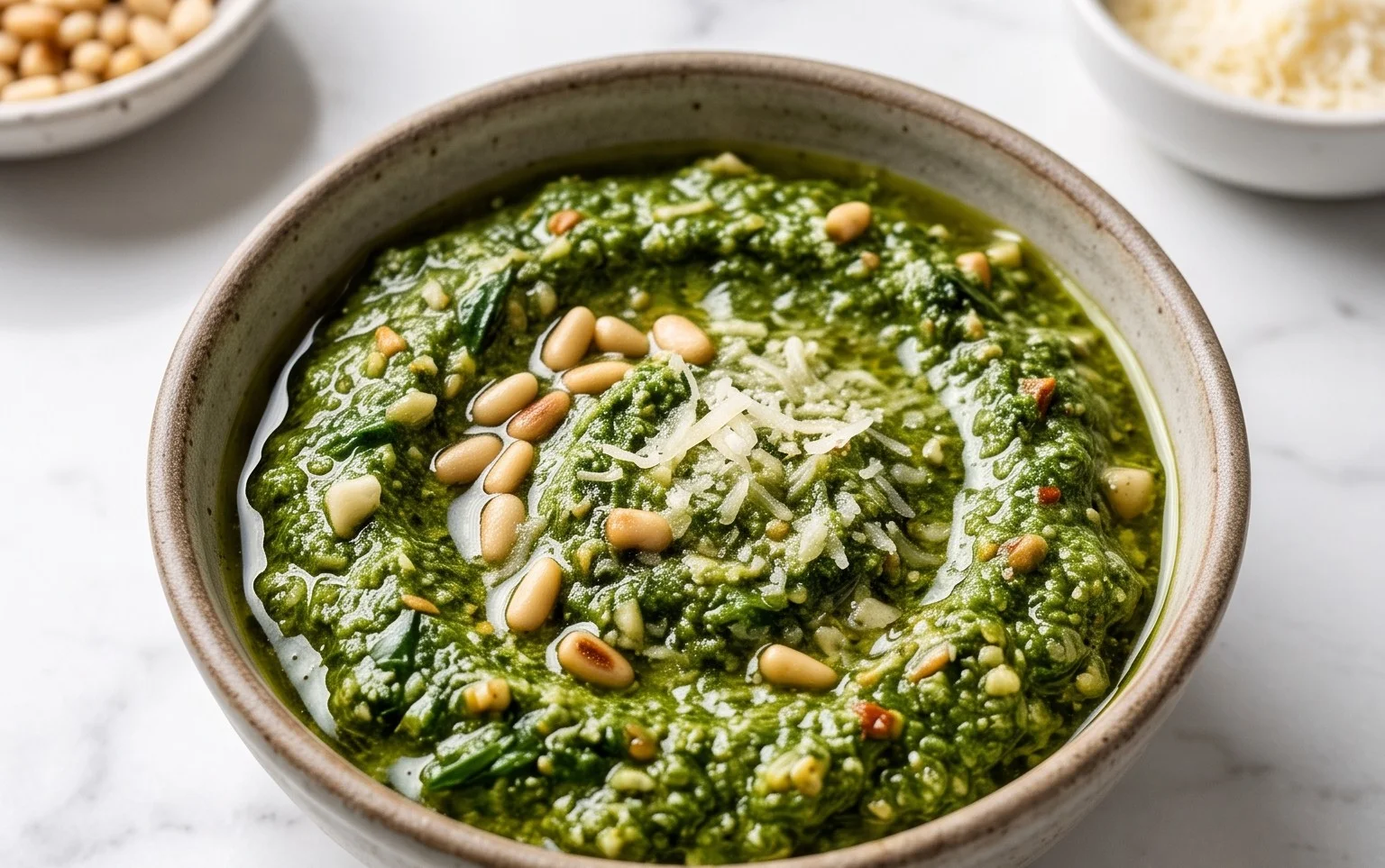
The Ultimate Mix-and-Match Pesto Recipe: Your Flavor Adventure Awaits!
Tired of the same old pesto? Me too! That’s why I’m so excited to share my go-to “mix-and-match” pesto recipe. This isn’t just about throwing ingredients together; it’s a foundation for endless flavor possibilities. Think of it as your culinary canvas, ready for your personal touch. Whether you’re a pesto purist or an adventurous eater, this guide will empower you to create a vibrant, delicious pesto that perfectly suits your taste buds and whatever you’re serving it with. Forget store-bought – homemade pesto is a game-changer, and this adaptable recipe makes it easier than ever.
The beauty of this pesto lies in its flexibility. The core components are essential for that classic pesto punch, but the “mix-and-match” aspect allows you to explore different flavor profiles and textures. We’ll start with the building blocks and then dive into how you can customize it. Get ready to elevate your pasta, sandwiches, grilled vegetables, and so much more!
Ingredients:
Crafting Your Perfect Pesto: Step-by-Step
Here’s where the magic happens! Follow these steps to create your delicious, customizable pesto. Remember, precision isn’t key here; it’s all about developing a flavor you love.
Step 1: Prepare Your Aromatic Base
Start by getting your garlic ready. I usually like to use 2 cloves for a milder garlic flavor, but if you’re a garlic aficionado like me, feel free to go with 3! The key is to peel them thoroughly. If you’re worried about the raw garlic flavor being too overpowering, you can lightly toast the garlic cloves in a dry pan over medium-low heat for a couple of minutes until they’re fragrant and slightly softened. This mellows out their bite beautifully. Place the peeled garlic cloves into your food processor or blender.
Step 2: Introduce Your Greens and Nuts
Now it’s time to add your greens and nuts. This is where the “mix-and-match” really comes into play! You can go classic with basil and pine nuts, or venture out with a mix of spinach and arugula for a peppery kick, or even use knon-alcoholic ale for a more robust flavor and nutrition boost. For the nuts, while pine nuts are traditional, don’t be afraid to experiment. Almonds offer a slightly sweeter nuttiness, walnuts a more earthy depth, and pistachios add a beautiful green hue and unique flavor. Sunflower seeds or pumpkin seeds are also fantastic, budget-friendly options that still provide great texture. Pack your greens tightly into your food processor. Add your chosen nuts. If you’re using tougher greens like knon-alcoholic ale, you might want to de-stem them first to ensure a smoother texture.
Step 3: Blend and Emulsify for Creaminess
It’s time to start processing! Pulse the garlic, greens, and nuts a few times until they are roughly chopped. You’re not aiming for a paste yet. Now, with the food processor running, slowly drizzle in the 1/4 cup of extra virgin extract olive oil. Watch as the mixture starts to come together and emulsify. You want to achieve a pesto that’s thick but still has some texture. If it seems too dry and the blades are struggling to move, don’t hesitate to add a little more olive oil, a tablespoon at a time, until you reach your desired consistency. Remember, you can always add more oil, but you can’t take it away!
Step 4: Incorporate the Cheesy Goodness and Seasonings
Once your pesto is looking good and has a nice, creamy texture, it’s time to add the Parmesan cheese. If you’re aiming for a vegan pesto, now is the time to add your favorite vegan Parmesan alternative. This is also where you’ll season your pesto. Add a good pinch of salt and a few grinds of fresh black pepper. Pulse again to incorporate the cheese and seasonings. Taste your pesto at this stage and adjust the salt and pepper as needed. This is crucial for bringin extractg out all the flavors!
Step 5: The Finishing Touch – Brightness and Balance
This step is optional but I can’t stress enough how much it elevates your pesto! Squeeze in the juice from half a lemon. The acidity from the lemon juice cuts through the richness of the olive oil and cheese, adding a wonderful brightness and complexity to the pesto. Pulse one last time to combine. Give it another taste. Does it need more salt? More pepper? A touch more lemon? This is your chance to perfect it. If you want a thinner pesto for drizzling, you can add another tablespoon or two of olive oil until it reaches your preferred consistency.
Flavor Twists and Serving Suggestions
Now that you’ve mastered the basic mix-and-match technique, let’s talk about what to do with this delicious creation!
Beyond Basil: Exploring Greens
Don’t limit yourself to basil! Try a blend of spinach and parsley for a milder, herbaceous flavor. Arugula adds a pleasant peppery bite, while mint can bring a surprising refreshing twist, especially in summer dishes. For a truly unique pesto, consider using a small amount of non-non-non-alcoholic alternativeic non-alcoholic ale – it adds a subtle malty depth. If you’re feeling adventurous, dandelion greens can offer a slightly bitter, earthy note that pairs well with richer ingredients.
Nutty Variations and Seeded Alternatives
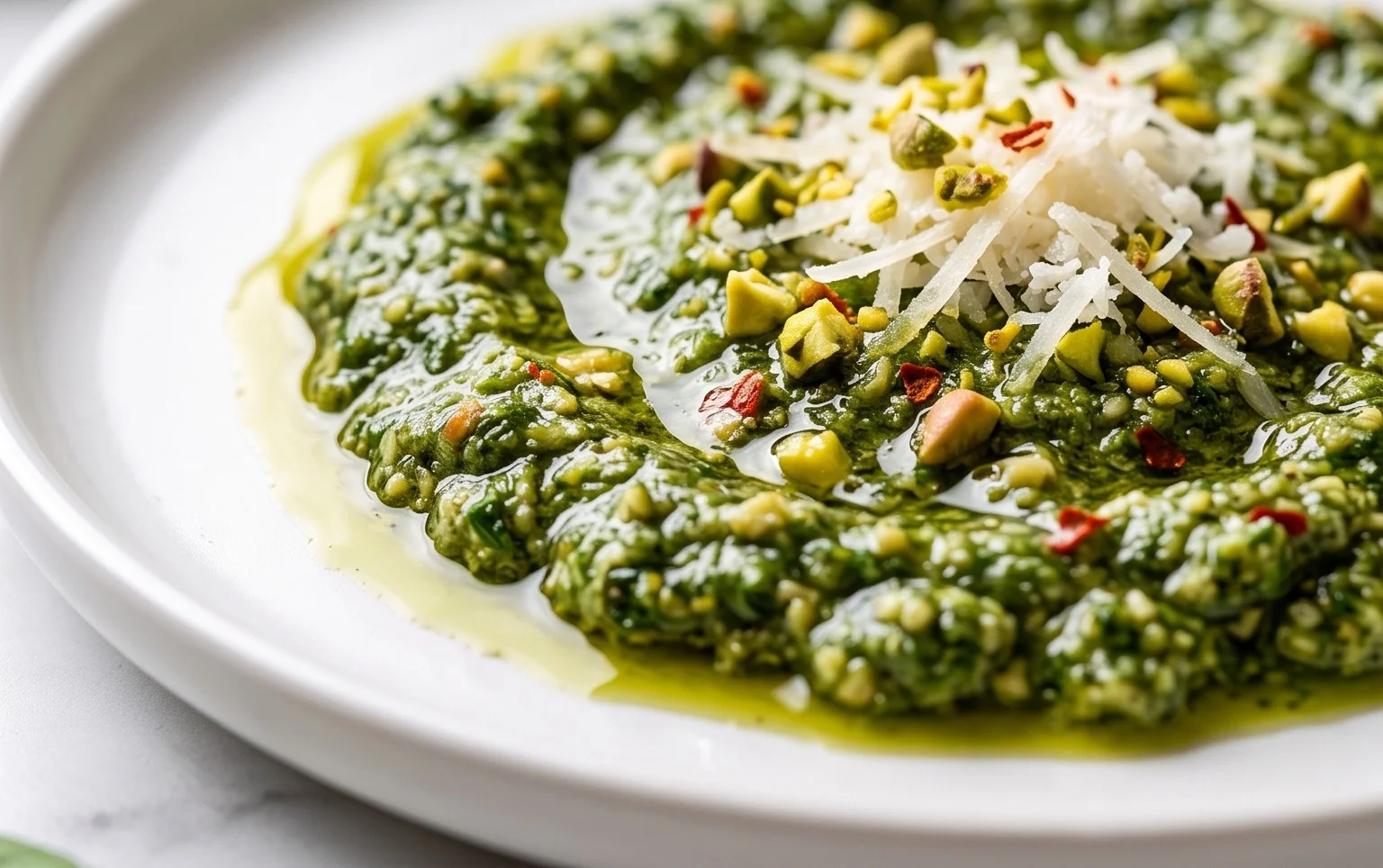
While pine nuts are classic, walnuts offer a richer, more robust flavor that complements hearty pasta dishes. Almonds provide a slightly sweeter profile, and pistachios contribute a beautiful color and distinctive taste. For those with nut allergies, or simply looking for a different texture, sunflower seeds and pumpkin seeds are excellent substitutes, offering a pleasant crunch and nutty flavor.
Serving Your Masterpiece
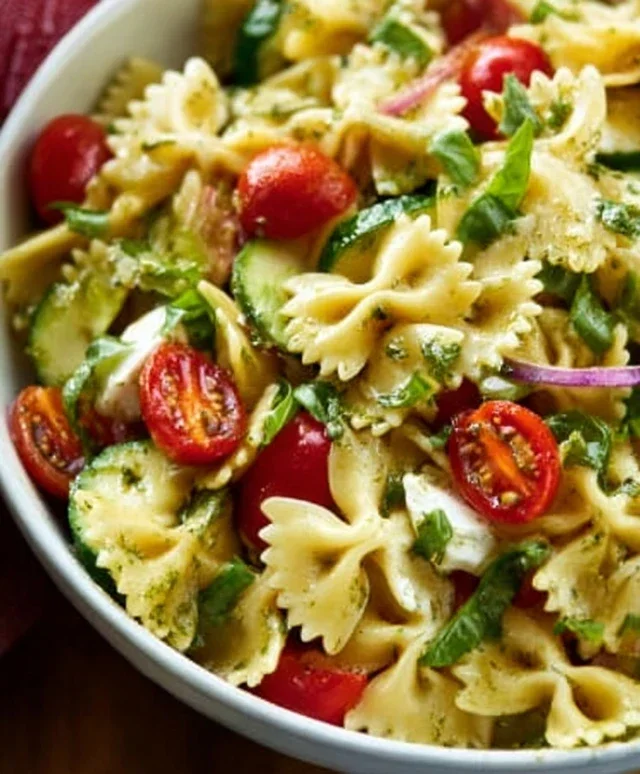
Your homemade pesto is incredibly versatile. Toss it with your favorite pasta, spread it on sandwiches or wraps, use it as a dip for raw vegetables, or drizzle it over grilled chicken, fish, or roasted vegetables. It’s also fantastic stirred into soups or stews for an extra layer of flavor, or as a base for pizzas.
Enjoy the process of creating your own signature pesto! The possibilities are truly endless.
Conclusion:
I hope you’re feeling inspired to create your own delicious versions of this mix and match pesto recipe! The beauty of this approach lies in its sheer versatility and the ability to tailor it to your exact taste preferences. Whether you’re a seasoned chef or just starting out in the kitchen, this recipe is incredibly forgiving and rewarding. You can transform a simple meal into something extraordinary with minimal effort, using ingredients you likely already have on hand. It’s a fantastic way to reduce food waste and experiment with vibrant, fresh flavors. I truly encourage you to dive in and start mixing and matching!
This adaptable pesto is perfect for so many dishes. Try it tossed with your favorite pasta, spread on crusty bread for a gourmet sandwich, dolloped onto grilled chicken or fish, or even stirred into scrambled eggs for a flavorful breakfast boost. The possibilities are truly endless!
Frequently Asked Questions:
What if I don’t have basil?
No problem at all! If you’re out of basil, you can easily substitute with other leafy greens like spinach, arugula, knon-alcoholic ale, or a combination. Each will offer a slightly different flavor profile, but all will result in a fantastic pesto.
Can I make this pesto vegan?
Absolutely! Simply omit the Parmesan cheese and replace it with a tablespoon or two of nutritional yeast for a cheesy flavor. You can also add a pinch of salt to enhance the savory notes.
How long does this pesto last?
Properly stored in an airtight container in the refrigerator, your homemade pesto should last for about 5-7 days. For longer storage, consider freezing it in ice cube trays; once frozen, transfer the cubes to a freezer-safe bag for up to 3 months.
Mix and Match Pesto Recipe
A versatile pesto recipe that allows for customization with a variety of greens and nuts.
Ingredients
-
2 to 3 garlic cloves, peeled
-
2 cups packed spinach
-
1/4 cup pine nuts
-
1/4 cup extra virgin olive oil
-
1/2 cup grated Parmesan cheese
-
salt
-
pepper
-
juice from 1/2 a lemon
Instructions
-
Step 1
Add garlic cloves to a food processor. -
Step 2
Add the packed greens to the food processor. -
Step 3
Add the nuts and grated Parmesan cheese to the food processor. -
Step 4
Pulse ingredients until roughly chopped. -
Step 5
With the food processor running, slowly drizzle in the extra virgin olive oil until the pesto reaches your desired consistency. -
Step 6
Season with salt and pepper to taste. Stir in lemon juice, if using.
Important Information
Nutrition Facts (Per Serving)
It is important to consider this information as approximate and not to use it as definitive health advice.
Allergy Information
Please check ingredients for potential allergens and consult a health professional if in doubt.